When Evolving Your Art Feels Like Betraying the Version of You Everyone Fell in Love With
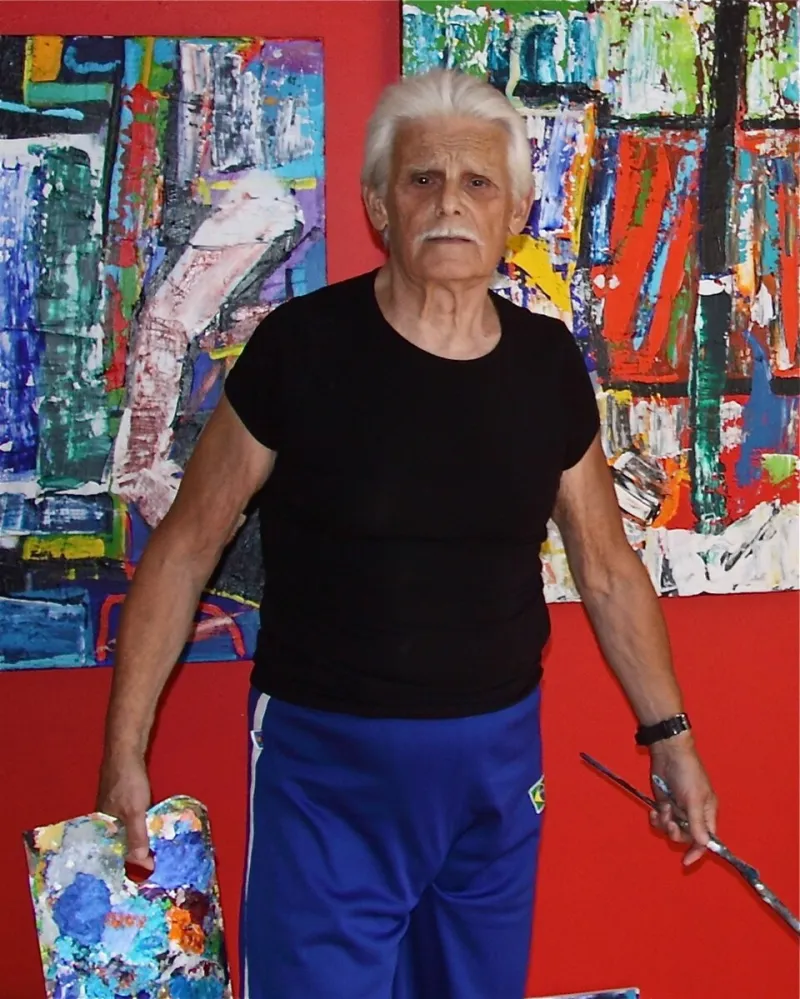
Photo: Eva Kupczynski, CC BY-SA 3.0, via Wikimedia Commons
Somewhere along the way, your creative style stopped being something you did and became something you were. The warm-toned film photography. The loose ink illustrations with that specific scratchy line weight. The moody, desaturated color palette everyone associates with your name. People started recognizing your work before they saw your signature, and honestly? That felt incredible.
But here's the thing nobody warns you about: the moment your style becomes your identity, changing it starts to feel less like creative growth and more like a personal betrayal — of your audience, your brand, and maybe even yourself.
The Trap Hidden Inside Being 'Recognizable'
Building a recognizable aesthetic is genuinely hard work. It takes years of iteration, failure, and accidental discovery. So when you finally land on something that clicks — something people respond to, something that gets you hired or followed or collected — of course you hold onto it. That's not vanity. That's survival instinct.
But there's a subtle shift that happens when consistency tips over into obligation. You stop making choices because they excite you and start making them because they're expected. Your creative decisions get filtered through a question you might not even realize you're asking: Will this still look like me?
And just like that, your style — the thing that was supposed to be an expression of your inner world — becomes a performance of a version of yourself that might already be a few years out of date.
Why It Feels Like Betrayal (Even When It Isn't)
The psychological weight here is real, and it's worth naming directly. When your audience connects with your work, they're not just responding to the aesthetics. They're responding to you — or at least, the version of you that those aesthetics represent. When you signal that you're moving in a different direction, some of them will feel a little blindsided. A few might even say so out loud, in your comments section, with zero hesitation.
That feedback stings because it activates something primal: the fear of being rejected by your community. And if you've built any part of your livelihood around your creative identity — freelance clients, a following, a shop — the stakes feel even higher. Changing your style can feel like voluntarily torching the thing that pays your rent.
But here's what's actually happening beneath all of that: you've conflated your style with your self. They're related, sure. But they're not the same thing.
Consistency Is a Tool, Not a Sentence
There's a version of creative consistency that's genuinely powerful. Showing up with a recognizable point of view builds trust, makes your work memorable, and signals professionalism. That's real.
But consistency only serves you when it's chosen, not when it's defaulted to out of fear. There's a big difference between an artist who maintains a cohesive body of work because it reflects where they actually are, and an artist who keeps producing the same thing because they're terrified of what happens if they don't.
The second version isn't consistency. It's stagnation wearing a very convincing costume.
Some of the most respected creatives in the US — musicians, visual artists, filmmakers — have built careers specifically on their willingness to evolve. Think about how many times an artist has been criticized for "going in a different direction," only to have that direction become the most celebrated chapter of their work. The fans who stuck around didn't love them less. They loved them more, because the evolution felt honest.
What You're Actually Afraid Of Losing
Before you can move forward, it helps to get specific about what's really at stake for you. Because "my signature style" is kind of a vague thing to be afraid of losing. When you dig a little deeper, the fear usually breaks down into something more concrete:
- Recognition: If I change, will people still know it's me?
- Audience: Will I lose the people who showed up for my old work?
- Income: Will my clients still hire me if my aesthetic shifts?
- Identity: If my art looks different, am I still the same person?
Each of these is worth sitting with separately. Because the answers aren't all the same. Some of your audience will leave — that's true. Some clients hired you for a specific look, and a style shift might mean those particular projects stop coming. That's a real consideration, not a paranoid one.
But the last fear — the identity one — is where most artists get stuck. And that one, at least, you can start to loosen right now.
Your Core Identity Is Not Your Color Palette
Here's the reframe that tends to actually help: your style is an output. Your sensibility is who you are. And your sensibility — the way you see the world, what you're drawn to, what you care about, what makes your perspective yours — that doesn't evaporate when you switch mediums or drop a visual habit you've outgrown.
The artists whose work still feels unmistakably theirs across wildly different phases of their career aren't clinging to a look. They're staying true to a way of seeing. The particulars change. The underlying voice doesn't.
When you understand that distinction, evolution stops feeling like erasure. It starts feeling like what it actually is: evidence that you're still paying attention, still curious, still growing.
Giving Yourself Permission to Shed an Old Skin
If you've been sitting on work that feels exciting to you but doesn't match your established aesthetic, start there. Don't announce it. Don't make it a rebrand. Just let it exist. Share it if you want to, or keep it private for now. Give yourself the space to explore without an audience judging the transition in real time.
Pay attention to how it feels to make that work. Is it energizing in a way your usual stuff hasn't been lately? That's information worth taking seriously.
Also worth remembering: the people who genuinely connect with you — not just your current output, but your perspective and your presence — tend to follow artists through change. Not always immediately. But eventually. The ones who were only there for the aesthetic will move on, and that's okay. That's actually the audience you don't need to be making art for anyway.
Your signature style got you here. But it doesn't have to be the thing that keeps you. Let it be a chapter, not the whole story.